Urinalysis results reveal valuable information about our health, even though it is a simple biochemical test. This basic diagnostic method helps identify conditions of the urinary system, the liver and other organs.
As a simple laboratory test, the urinalysis is essential both for routine health checks and for diagnosing specific conditions. Preparing for a urinalysis is extremely simple, but care is needed in collecting and storing the sample. In this article we will explain in plain language what the urinalysis shows and how to understand its results.
What a urinalysis is and why it is done
The urinalysis is a simple, non-invasive and extremely useful diagnostic method that analyses the physical, chemical and microscopic characteristics of the urine. This analysis provides important information about the health of the urinary system and about the overall function of the body.
It is a widely used test, performed for different reasons:
- Prevention: as part of a regular health check-up.
- Diagnosis: when there are symptoms such as frequent urination, painful urination, changes in the colour of the urine or blood in the urine.
- Monitoring: in people with chronic conditions such as diabetes, hypertension or kidney disease.
It is worth noting that 70 to 80% of diagnostic decisions are based on laboratory tests, which makes the urinalysis a key tool for doctors. It can also detect a variety of conditions, such as urinary tract infections, kidney disease, diabetes, dehydration and urinary stones.
The importance of this test has been known since the time of Hippocrates, while the modern urinalysis essentially began in the early 19th century.
Understanding the results: what each category shows
The results of a urinalysis are divided into three main categories that together give an overall picture of our health: the physical characteristics, the chemical analysis and the microscopic findings.
The physical characteristics examined are:
- Colour: normally pale yellow to yellow. Dark brown may indicate bilirubin, while a reddish colour may indicate blood in the urine.
- Appearance: clear in normal urine; cloudy in the case of infection, stones or the presence of cells.
- Odour: foul-smelling urine often indicates a urinary tract infection.
- Specific gravity: normal values 1.010 to 1.025.
The chemical analysis checks:
- pH: normal 5.5 to 6.5. Values above 7 may indicate infection.
- Protein: absent or in minimal amounts is normal.
- Glucose: absent in normal urine. Its presence indicates diabetes.
- Ketones: normally absent. Present in diabetes or starvation.
- Nitrites: positive in bacterial infections.
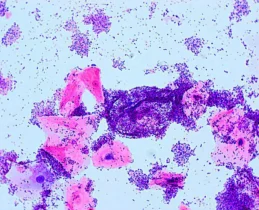
The microscopic analysis examines:
- Red blood cells: normally 0 to 4 per field of view.
- White blood cells: increased in infections.
- Casts: the presence of red cell casts indicates glomerular disease.
- Crystals: associated with stone formation.
In addition, the doctor may recommend further tests such as a urine culture, a kidney ultrasound or blood tests if abnormalities are found.
How to prepare correctly for a urinalysis
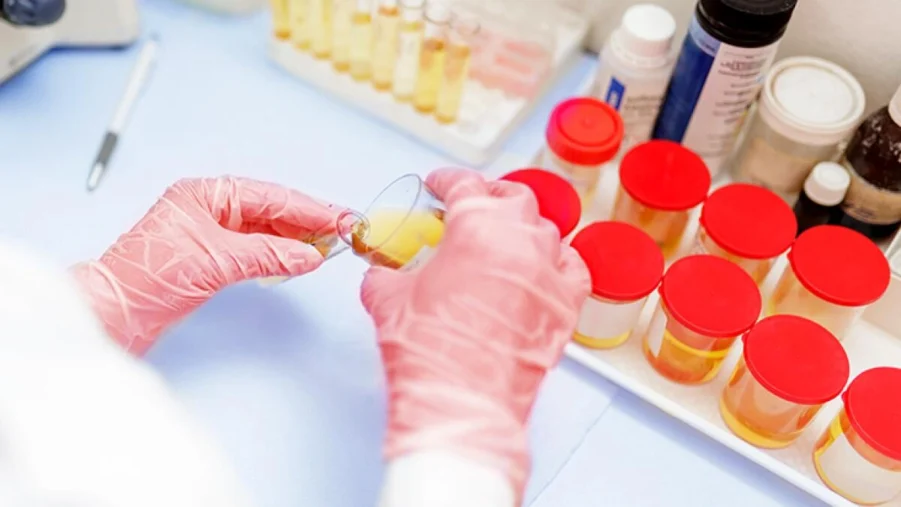
Proper preparation for a urinalysis is decisive for the reliability of the results. First of all, you need to obtain a sterile urine container from the pharmacy.
The best choice is the first morning urine, as it is more concentrated and shows up any problems better. However, at least 3 to 4 hours should have passed since you last urinated.
Follow these steps for correct collection:
- Wash your hands thoroughly with soap and water.
- Clean the external genital area thoroughly with soap and water (no antiseptics).
- Rinse with plenty of water and dry with a clean towel.
- Let the first part of the stream run into the toilet and collect the midstream urine.
- Close the lid carefully without touching the inside.
Bring the sample to the laboratory within 1 to 2 hours. If this is not possible, keep it in the refrigerator (2 to 8°C) for up to 4 to 6 hours.
Also avoid strenuous exercise the day before and tell the doctor if you take medicines such as vitamin C, antibiotics or anticoagulants that may affect the results.
Conclusion
In summary, the urinalysis is a valuable diagnostic tool that provides important information about our health. Through this simple test we can detect problems of the urinary system early, as well as of other organs such as the liver or the pancreas. Its results, whether they concern the physical characteristics, the chemical analysis or the microscopic findings, provide a comprehensive picture of the state of our body.
It is worth noting that the correct preparation and collection of the sample plays a decisive role in the reliability of the results. By following the instructions on hygiene and storage of the sample, we ensure a correct diagnosis and avoid false results.
Moreover, regular urine testing, especially as part of the annual check-up, can reveal conditions before they even cause symptoms. Now that you know what each parameter of the urinalysis shows, you will undoubtedly be able to understand your results better and discuss them more effectively with your doctor.
Finally, although the urinalysis seems a simple procedure, its diagnostic value has remained irreplaceable for centuries. Remember that every result should always be evaluated by a specialist doctor, who will interpret it correctly in the light of your medical history and any symptoms you report.