The complete blood count (CBC, or full blood count) is one of the most frequently performed laboratory tests and provides an overall picture of the body’s health. By measuring various parameters of the blood, the doctor can spot signs of inflammation, anaemia, infection or other problems. It is a simple, quick and inexpensive test, often included in a routine preventive check-up.
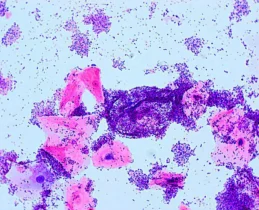
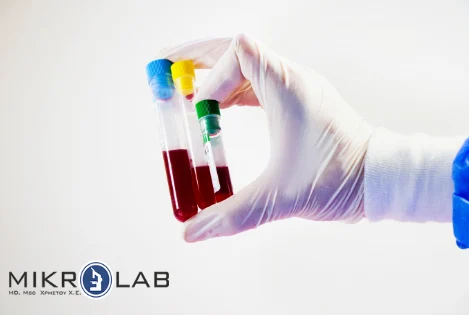
The procedure is painless, as only a small amount of blood needs to be drawn from a vein in the arm. The sample is then analysed under the microscope or by special analysers, giving results that the doctor can interpret.
How is the complete blood count used?
The complete blood count is widely used in medicine for diagnosis, monitoring and prevention. Some of its main uses include:
- Preventive health check – the test can reveal early signs of disorders, even before symptoms appear.
- Diagnosis of conditions – it can help detect infections, anaemia, allergies or immune disorders.
- Monitoring treatment – in patients on medication, the blood count shows whether the treatment is having the desired effect or is causing side effects.
Assessment of general condition before surgery – before an operation, the complete blood count alerts the doctor to possible risks.
What does a complete blood count measure?
The complete blood count measures many parameters, such as:
- Red blood cells (RBC) – the number of cells that carry oxygen. Low values may indicate anaemia.
- Haemoglobin (Hb) – the protein that binds oxygen in the blood.
- Haematocrit (Hct) – the proportion of red blood cells in the total blood volume.
- White blood cells (WBC) – responsible for the body’s defences. Elevated levels may indicate infection or inflammation.
- Platelets (PLT) – important for blood clotting.
- Red cell size and volume indices – such as MCV, MCH and MCHC, which give information about the quality of the red blood cells.
The results are always interpreted by a doctor, since the normal values (blood count reference ranges) can vary according to a person’s age, sex and state of health.
What can a blood test show?
The complete blood count is particularly useful for detecting a range of conditions. Some examples include:
- Anaemia – low haemoglobin and haematocrit.
- Infections – elevated white blood cells.
- Inflammatory conditions – changes in the white blood cells and other markers.
- Clotting disorders – changes in the platelet count.
Patients often ask: “Does a complete blood count show cancer?” The answer is that, although the blood count can record signs associated with serious conditions, such as unexplained anaemia or very high or very low white blood cells, it cannot diagnose cancer on its own. In the case of suspicious findings, the doctor will recommend further specialised tests.
Preparing for the complete blood count
Preparing for a complete blood count is simple. In most cases the test does not require fasting. However, if other biochemistry tests are performed at the same time, you may need to abstain from food for 8 to 12 hours.
Tips for correct preparation:
- Tell the doctor about any medicines you take.
- Avoid strenuous exercise before the test, as it can affect certain values.
- Drink enough water, so that the blood draw is easier.
Book your appointment today
The complete blood count is a quick, reliable and inexpensive test that can reveal valuable information about your health. At Mikrolab in Chalandri and Agia Paraskevi, we perform the complete blood count with modern equipment and prompt delivery of results, always with the scientific support of specialised staff.
📍 Chalandri – call 210 6855799 for an appointment
📍 Agia Paraskevi – call 210 6006456 for an appointment
Don’t leave your health to chance. Book your test today and take care of yourself with the safety and reliability of Mikrolab.