
Urinalysis and Urine Culture: Essential Tests for Your Health
The urinalysis and the urine culture are two of the most common and most important laboratory tests for assessing the health of the urinary system and the general condition of the body. These tests detect various conditions and infections that may not present with obvious symptoms.
What do blood tests include?
A basic biochemistry panel includes the liver enzymes SGOT, SGPT and ALP, bilirubin and γ-GT (a key marker of cholestasis), as well as urea and creatinine, the main markers of kidney function. The lipid panel includes total cholesterol, LDL, HDL and triglycerides, which are markers of coronary heart disease and should be checked at regular intervals.
No complete blood work-up should be missing CRP and ESR, the inflammation markers: these are the first tests a clinician requests to establish whether an inflammatory condition is present. Specialised investigation then follows to identify the cause.
The blood tests recommended every year should also check thyroid function. The main hormones tested are TSH, T3 and FT4. TSH is the regulator of the thyroid gland; if it is found high or low, a full work-up with T3, T4 and the antibodies anti-TPO and anti-TG is needed.
What are the Urinalysis and the Urine Culture?
The urinalysis analyses various characteristics of the urine, such as its appearance, chemical composition and microscopic findings, and helps diagnose conditions such as urinary tract infections, kidney stones, diabetes and other metabolic disorders. The parameters examined include specific gravity, acidity (pH) and the presence of protein, glucose, blood, white blood cells and other substances.
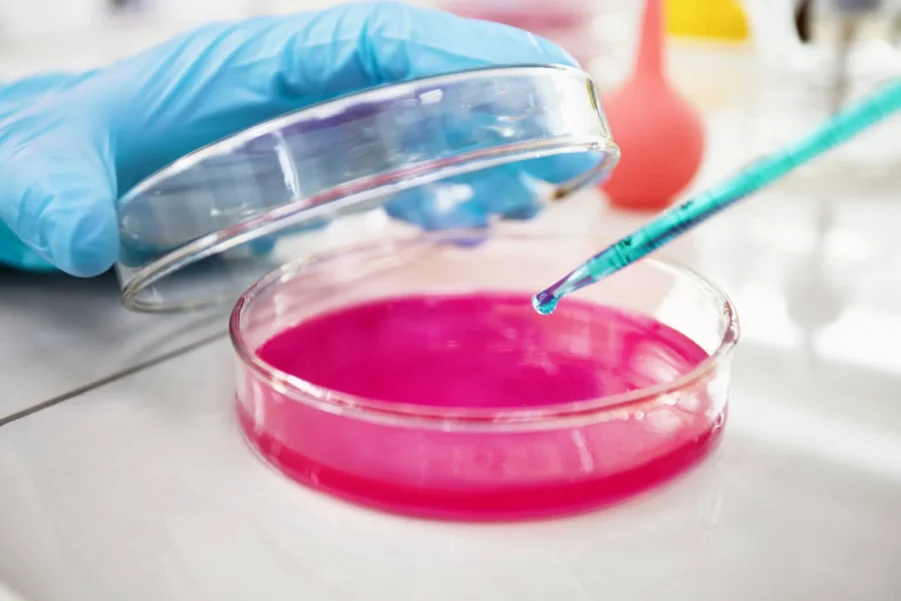
The urine culture is performed to detect germs, bacteria or fungi that may be causing an infection in the urinary system. It identifies the organism responsible for the infection and determines the appropriate antibiotic treatment.
What the Urinalysis and Urine Culture at Mikrolab Include
What the Urinalysis and Urine Culture at Mikrolab Include
At Mikrolab, the urinalysis includes:
- Physical analysis of the urine (colour, clarity, odour).
- Chemical analysis to detect glucose, protein, ketones, blood and other substances.
- Microscopic analysis for the presence of white blood cells, red blood cells, bacteria, crystals and other elements that may indicate health problems.
The urine culture includes:
- Collection of a urine sample for the culture of microorganisms.
- Detection of bacteria or other microorganisms that cause infections.
- Antibiotic susceptibility testing, to determine the most suitable treatment.
All tests are performed with the greatest accuracy, using modern, reliable diagnostic equipment. Results are provided quickly and with a full explanation, so that your doctor can understand them and guide your treatment.
Why the Test Matters
The urinalysis and the urine culture are vital for the early diagnosis and treatment of health problems that may not be immediately visible. Urinary tract infections, for example, can lead to serious complications such as kidney damage or sepsis if not treated in time. These tests also help monitor treatment and detect any recurrence. By detecting infections or other conditions early, you can take the right steps for your health.
The urinalysis and urine culture are also useful for people with chronic conditions such as diabetes or kidney problems, as well as for pregnant women and anyone with recurrent urinary tract infections.
Preparing for the Urine Test
Preparing for a urine test is relatively simple, but it is important to follow certain instructions to ensure accurate results:
- It is recommended to collect the first morning urine sample, as it is the most representative.
- For the urinalysis, avoid certain foods and medicines that may affect the results (e.g. vitamins or supplements).
- For the urine culture, it is important to follow your doctor’s instructions to avoid contaminating the sample.
When to Have a Urinalysis and Urine Culture
The urinalysis and urine culture are recommended in many situations, such as:
- If you have symptoms such as frequent urination, painful urination, fever or pain in the kidney area.
- If a urinary tract infection is suspected.
- As part of regular check-ups for people with chronic conditions (e.g. diabetes, kidney disease).
- In women during pregnancy, to monitor the health of the urinary system.
Regular urine testing is vital for the early diagnosis and prevention of serious health problems. Visit Mikrolab and look after your health with the help of our specialists, for accurate results and prompt guidance in monitoring your health.
Check Ups
-
Urinalysis and Urine Culture: €15
Vaginal Swab Culture: An Essential Diagnostic Tool
The vaginal swab culture is a medical test used to diagnose disorders and infections of the female genital tract. Depending on the results, the culture can detect the presence of bacteria, fungi or other microorganisms that cause infections in or around the vagina. The procedure is valuable for an accurate diagnosis and for choosing the right treatment, since many agents, such as bacterial or fungal infections, can cause troublesome or dangerous symptoms.
Why the Vaginal Swab Culture Matters
The vaginal swab culture is important because it:
- Identifies infections: the culture pinpoints exactly which microorganisms are causing the infection and which treatment is best for eliminating them.
- Addresses symptoms: if you have symptoms such as heavy vaginal discharge, pain or itching in the vaginal area, the vaginal swab culture can help identify the cause of these complaints.
- Monitors chronic infections: if you have had repeated infections, the culture helps establish whether there is a persistent or recurrent condition that requires special treatment.
This test can detect various types of infection, such as bacterial vaginosis, fungal infections (Candida), chlamydia, trichomonas and other microorganisms. The vaginal swab culture can also help determine the antimicrobial susceptibility of the microorganisms, so that treatment is targeted and more effective.
When is a Vaginal Swab Culture Recommended?
A vaginal swab culture is usually recommended when:
- There are symptoms such as heavy or unusual vaginal discharge, pain during intercourse, itching or burning in the vaginal area.
- There are signs of recurrent infections, such as frequent fungal or bacterial infections that do not respond to the usual treatments.
- The woman has atypical symptoms or a suspected sexually transmitted infection (chlamydia, gonorrhoea, etc.).
- When preparing for pregnancy or in pregnant women, to screen for potentially dangerous infections that may affect the pregnancy and the health of the baby.
The vaginal swab culture is an essential tool for the correct diagnosis and treatment of the above conditions.
How is the Vaginal Swab Culture Done at Mikrolab?
At Mikrolab, the vaginal swab culture is carried out with complete safety and professionalism. The procedure involves the following steps:
- Sample collection: the doctor or a specialised healthcare professional takes a sample of the vaginal discharge with a gentle gynaecological instrument (such as a swab) inserted into the vagina. The procedure is brief and usually painless.
- Transport and culture: the sample is sent to the laboratory, where it is placed on special culture media that allow microorganisms to grow.
- Analysis of the results: the sample is monitored for the growth of bacteria, fungi or other microorganisms. The laboratory doctor then analyses the results and establishes the precise diagnosis.
Depending on the results, the doctor can prescribe the appropriate treatment to eliminate the infection.
Preparing for the Vaginal Swab Culture
Preparing for a vaginal swab culture is relatively simple. There are, however, some recommendations to follow to ensure the most accurate results:
- Avoid douching or cleansing the area before the test: avoid vaginal douches, tampons or other products that may affect the sample. It is also best to abstain from sexual intercourse for at least 24 hours before the procedure.
- Tell us about medicines or treatments: if you are using any medication, such as antibiotics or antifungals, inform your doctor, as these may affect the test results.
- Timing of sample collection: the vaginal swab culture is usually done at the beginning or the middle of the cycle, unless your doctor recommends otherwise based on your symptoms.
The vaginal swab culture is an important tool in diagnosing infections and conditions of the genital tract. A timely, accurate diagnosis can lead to effective treatment and prevent complications. If you have any symptoms or belong to a high-risk group, the vaginal swab culture is an essential test for your health.
Check Ups
-
Vaginal Culture, Simple (Aerobic, Anaerobic): €20
-
Vaginal Culture, Complete: Ureaplasma – Mycoplasma, Chlamydia: €40





