
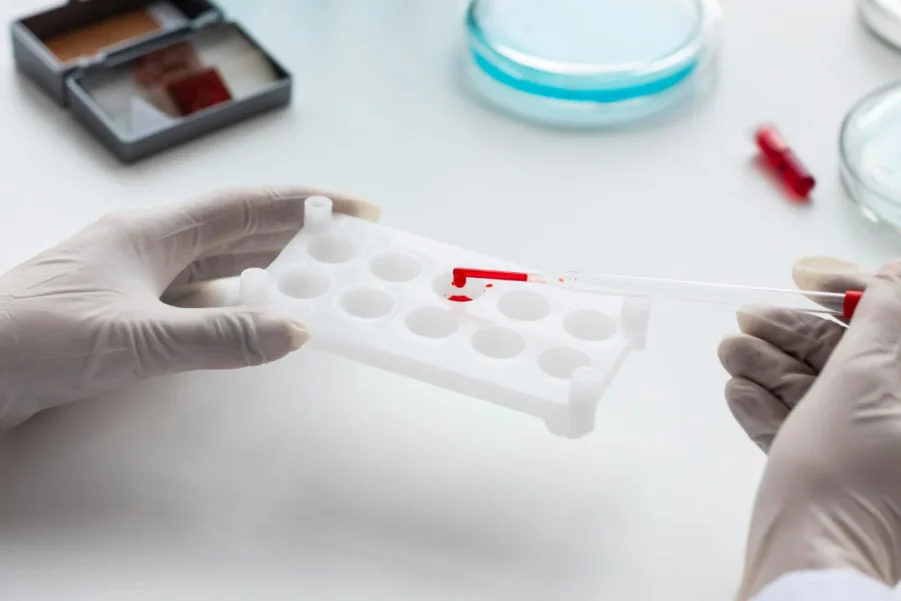
FilmArray Respiratory Panel
Includes molecular testing for 21 respiratory pathogens: adenovirus, coronavirus, metapneumovirus, rhinovirus, enterovirus, influenza A and B, RSV, parainfluenza, Bordetella pertussis, chlamydia, mycoplasma and others.
FilmArray Respiratory
Molecular detection of respiratory pathogens is one of the most modern and accurate ways of diagnosing respiratory infections. The method is based on detecting and identifying the genetic material (DNA or RNA) of the pathogens through techniques such as PCR (polymerase chain reaction) and RT-PCR. These methods allow the precise detection of viruses, bacteria and fungi that cause respiratory infections, even when the pathogen is present in low concentrations or there are no clinically apparent symptoms.
Molecular diagnostics is crucial for the timely, accurate diagnosis of conditions such as influenza, COVID-19, pneumonia, RSV (respiratory syncytial virus) and other respiratory viruses. Molecular detection makes it possible to test for many pathogens simultaneously in a single sample, ensuring a faster and more accurate diagnosis.
The procedure has many advantages: high sensitivity and specificity, the ability to detect pathogens even in asymptomatic patients or in the early stages of the disease, and the ability to reach a diagnosis in seriously ill or immunosuppressed patients. It does, however, require specialised laboratory equipment and training, as well as precautions to avoid false positive or false negative results.
Overall, molecular detection of respiratory pathogens is a revolutionary technology in the diagnosis of infections and plays a critical role in the better understanding and control of respiratory diseases.
FilmArray Gastrointestinal Panel
Testing for Salmonella, Campylobacter, Shigella, Vibrio cholerae, Yersinia, all strains of enteropathogenic E. coli, Cryptosporidium, adenovirus, Entamoeba, Giardia lamblia, rotavirus and astrovirus.
Gastrointestinal pathogens are bacteria, viruses, parasites and other organisms that cause infections and diseases of the digestive system. These infections can cause symptoms such as diarrhoea, vomiting, abdominal pain and fever. They are usually transmitted through contaminated food or water or contact with contaminated surfaces, and are particularly common in areas with poor hygiene and sanitation.
The main gastrointestinal pathogens include:
Bacteria: many bacteria are responsible for gastrointestinal infections. The most common include Escherichia coli (E. coli), Salmonella, Campylobacter and Shigella. These bacteria cause intestinal infections with diarrhoea, vomiting and fever. Some strains, such as E. coli O157:H7, can cause serious complications such as haemolytic uraemic syndrome.
Viruses: viruses such as rotavirus and norovirus are common causes of gastrointestinal infections, especially in children and the elderly. Viral infections usually cause diarrhoea and vomiting and can lead to dehydration, particularly in vulnerable groups.
Parasites: certain parasites, such as Giardia lamblia, Entamoeba histolytica and Cryptosporidium, cause gastrointestinal infections through the ingestion of contaminated food or water. These parasites often cause chronic infections with symptoms such as diarrhoea, fatigue and abdominal cramps. These infections are diagnosed by stool tests, blood tests or endoscopy. Treatment depends on the pathogen and may include antibiotics for bacterial infections, antivirals for viral infections or antiparasitic drugs for parasitic infections. Good hygiene, such as hand washing and proper food handling, is the best way to prevent these infections.
Contact us for the cost of the tests
Prices & Check Ups
-
Influenza A, B and Covid Molecular Test
(New rapid molecular method)
€50
Book an appointment -
€15
Book an appointment





