
Skin and Nail Fungal Cultures – Onychomycosis
Fungal culture of skin and nails is an important procedure in the diagnosis of fungal infections that affect the human body. Fungal infections of the skin and nails are caused mainly by dermatophytes (filamentous fungi) and by the yeast Candida sp., which attack the epidermal layer or the area around the nails. Culturing these fungi in the laboratory is crucial to confirm the diagnosis and choose the right treatment.
The most common fungal skin infections include athlete’s foot and onychomycosis (fungal nail infection). These infections are caused mainly by dermatophytes (fungi that grow in the keratinised layer of the skin, nails and hair), such as Trichophyton, Epidermophyton and Microsporum. Fungal skin infections are common in warm, humid areas, as fungi thrive in such conditions.
Onychomycosis, the fungal infection of the nails, is caused by fungal agents that attack the nails and the skin around them. The most common types are dermatophytes and yeasts (mainly Candida albicans).
Fungal culture is the most reliable method for confirming a fungal infection and identifying the fungus responsible. The procedure involves taking samples from the affected area of skin or nail and placing them on special culture media, where the fungi can grow and be identified.
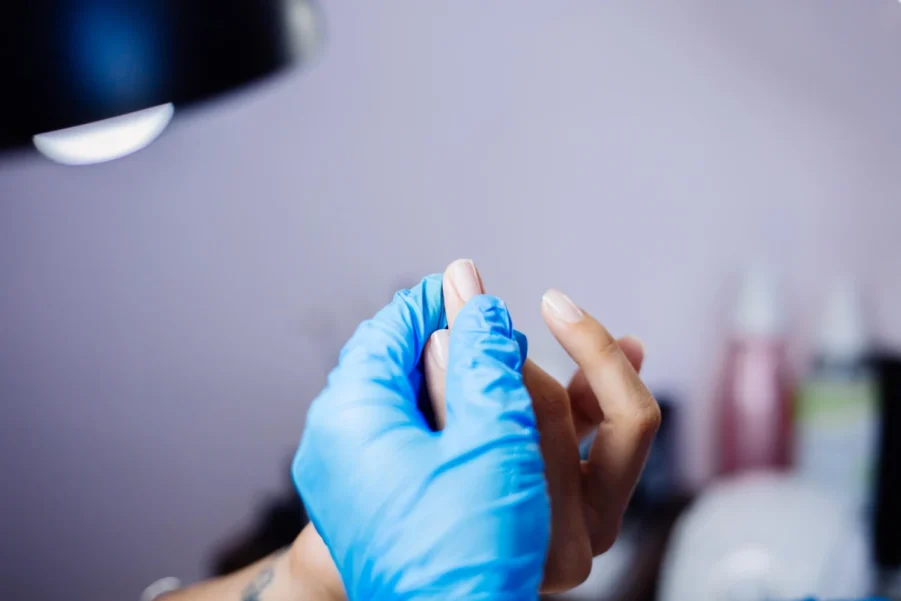
Sample collection: collecting the sample is simple and painless; scrapings are taken from the affected area.
Culture in the laboratory: the samples are placed on special culture media, such as Sabouraud agar, which is ideal for the growth of fungi. The culture usually takes 1 to 4 weeks, as fungi grow more slowly than bacteria. Once grown, the fungi are examined under the microscope and identified by their characteristics (such as the shape and size of the spores).
Identification and antifungal resistance: once the fungus responsible has been identified, further analysis can determine its susceptibility to various antifungal drugs. This is particularly useful for choosing the right treatment, especially when the infection is resistant to common drugs.
Treating fungal infections
The treatment of fungal infections depends on the type of fungus that has infected the skin or nails. For skin infections, topical antifungal creams or ointments are usually sufficient, while nail infections may require systemic treatment with antifungal tablets. Early diagnosis and prompt treatment are important to prevent the infection from spreading and to avoid complications.
Fungal culture of skin and nails is a crucial diagnostic tool for the precise identification of the fungi responsible and for managing treatment. Correctly identifying the type of fungus allows effective, targeted treatment, reducing the risk of recurrence and spread of the infection.
Check Ups
-
Fungal cultures €40





