

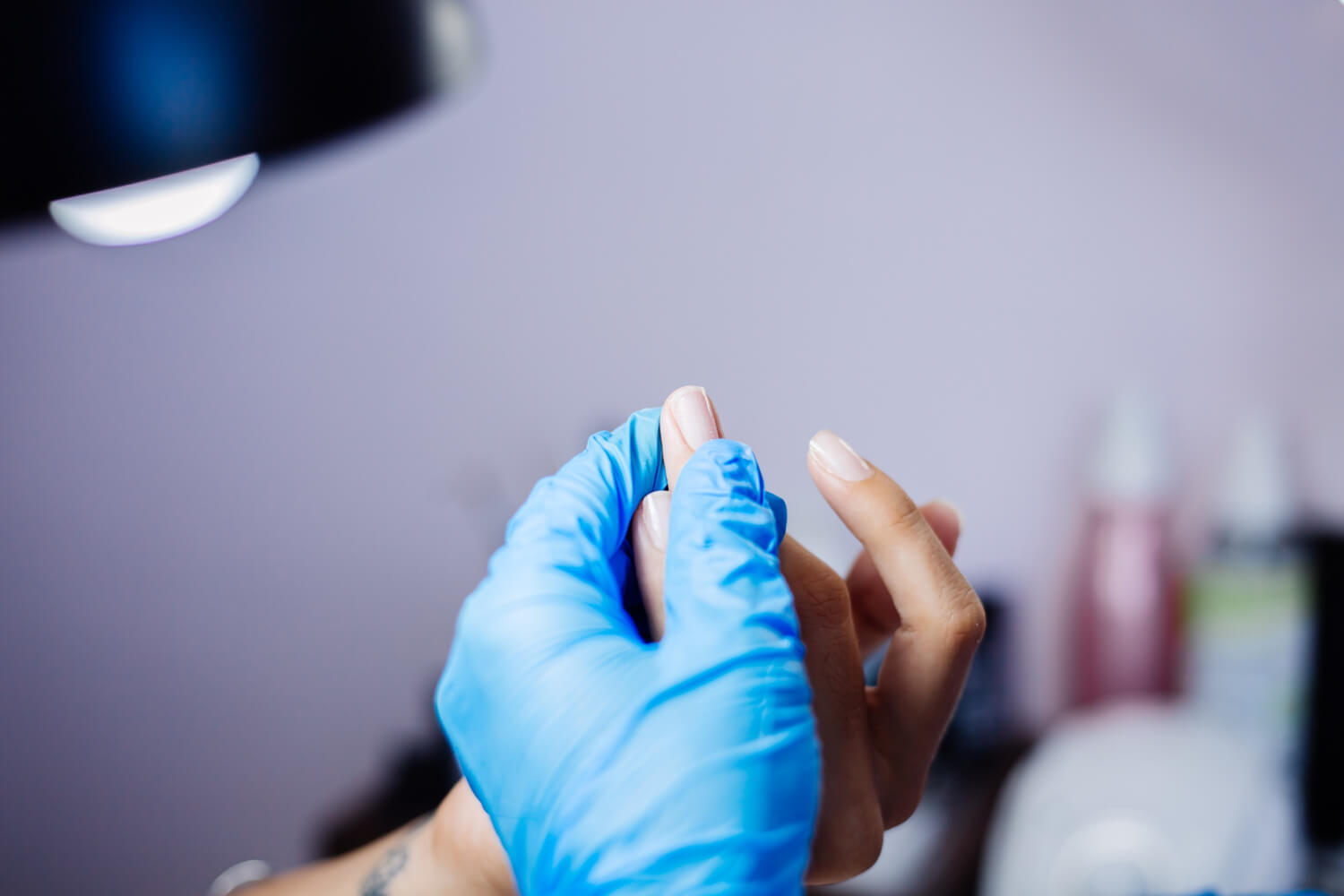
Skin and Nail Fungus Cultures - Onychomycosis
Skin and nail fungal culture is an important procedure in the diagnosis of fungal infections affecting the human body. Fungal skin and nail infections are mainly caused by the hyphomycetes dermatophytes and the yeast candida sp. which affect the epidermal layer or the area around the nails. Culturing these fungi in the laboratory is critical for confirming the diagnosis and selecting appropriate treatment.
The most common fungal infections of the skin include mycosis of the feet and onychomycosis (fungal infection of the nails). These infections are caused primarily by dermatophytes (fungi that grow in the keratinized layer of the skin, nails, and hair), such as Trichophyton, Epidermophyton, and Microsporum. Fungal skin infections are common in areas of humidity and heat, as fungi thrive in such conditions.
Onychomycosis, or fungal infection of the nails, is caused by fungal agents that affect the nails and the skin around them. The most common types are dermatophytes, yeast fungi (mainly Candida albicans) but also dermatophytes.
Fungal culture is the most reliable method for confirming fungal infection and for identifying the responsible fungus. The procedure involves taking samples from the affected area of the skin or nail and placing them in special culture media where the fungi can grow and be identified.
Collection of samples: the collection of samples is simple and painless, scrapings are collected from the affected area
Growing in the Laboratory: Samples are placed in special culture media, such as Sabouraud agar, which is ideal for fungal growth. Culture usually takes 1 to 4 weeks, as fungi grow more slowly than bacteria. After growth, the fungi are examined under a microscope and identified by their characteristics (such as spore shape and size).
Identification and Resistance to Antifungals: Once the responsible fungus has been identified, further analysis can be done to determine its susceptibility to various antifungal drugs. This process is particularly useful for selecting the appropriate treatment, especially in cases where the infection is resistant to common drugs.
Treatment of Fungal Infections
Treatment of fungal infections depends on the type of fungus that has affected the skin or nails. For skin infections, topical antifungal creams or ointments are usually sufficient, while for nail infections, systemic treatment with antifungal tablets may be required. Early diagnosis and early treatment are important to avoid the spread of infection and the development of complications.
Skin and nail fungal culture is a critical diagnostic tool for accurate identification of the responsible fungi and management of treatment. Proper identification of the type of fungus allows for effective and targeted treatment, reducing the risk of recurrence and spread of infection.

Το Trustindex επαληθεύει ότι η αρχική πηγή της κριτικής είναι Google. Η κοπέλα που μου έκανε την εξέταση είχε απίστευτα ελαφρό χέρι, δεν κατάλαβα τίποτα. Τα αποτελέσματα βγήκαν άμεσα.Δημοσιεύτηκε στοΤο Trustindex επαληθεύει ότι η αρχική πηγή της κριτικής είναι Google. Καθαρότατο, υπερσύγχρονο, πολυ εξυπηρετικό προσωπικό και άμεσα αποτελέσματα. Πολυ ικανοποιημένη!Δημοσιεύτηκε στοΤο Trustindex επαληθεύει ότι η αρχική πηγή της κριτικής είναι Google. Ο χώρος πανέμορφος και ήσυχος. Εξυπηρετικοί και γρήγορη ανταπόκριση. Το συνιστώ,θα το προτιμήσω ξανά.Δημοσιεύτηκε στοΤο Trustindex επαληθεύει ότι η αρχική πηγή της κριτικής είναι Google. Χρειαστήκαμε αιματολογικές σε περίοδο που όλοι υπολειτουργούσαν.Μας εξυπηρέτησε άμεσα και πολύ ευγενικά!Ευχαριστουμε!Δημοσιεύτηκε στοΤο Trustindex επαληθεύει ότι η αρχική πηγή της κριτικής είναι Google. Μακάρι να υπήρχαν 10 αστέρια, θα τα έβαζα. Με βοήθησαν (ξελάσπωσαν) σε μια πραγματικά δύσκολη κατάσταση και σε περίεργη ώρα δείχνοντας κατανόηση και ανθρωπιά. PCR εντός μιας ώρα εκτός ωραρίου.Δημοσιεύτηκε στοΤο Trustindex επαληθεύει ότι η αρχική πηγή της κριτικής είναι Google. Άψογη εξυπηρετηση!!!Επαγγελματικό προσωπικο,οικείο περιβαλλον!!!